

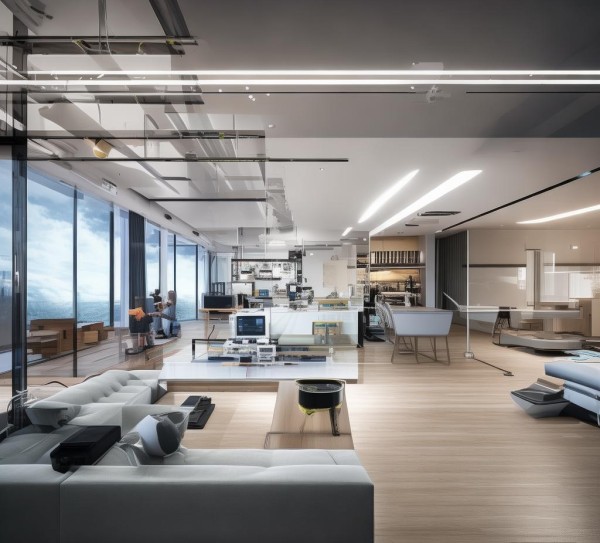
智能家居产品的开发周期长短不一,但大多数产品通常会在几个月到一年的时间内完成开发,这一周期并非一成不变,而是取决于多个因素,如市场需求、技术成熟度、团队的专业能力以及市场反馈等,本文将从零开始,详细分析智能家居开发的全过程,帮助读者更好地理解开发周期是如何工作的。
智能家居产品的开发 begins with clearly understanding the user's needs. Each consumer has their own requirements, and the智能家居产品 must fulfill these needs. The development process begins with identifying user needs, categorizing key features, and determining the essential functionalities, such as temperature control, energy management, smart timers, and remote control for smart home devices.
The development team will conduct in-depth user research, analyze data, and gather feedback through surveys and interviews to design products that meet the specific needs of their target audience. This process ensures that the final product is tailored to the users' preferences and expectations.
开发阶段
The development phase is the most critical and potentially lengthy phase of the智能家居 product lifecycle. This phase involves designing the product, implementing features, testing, and system integration. The development team will work closely with stakeholders to create a comprehensive development plan, ensuring that all requirements are addressed from the start.
During this phase, the development team will develop the product's design, implement the necessary algorithms, assemble hardware components, and optimize the system for performance and reliability. The team will also allocate significant time for testing, which involves both functional and user experience testing to identify any potential issues and ensure the product meets the desired specifications.
测试与验证
Once the product is fully developed, the development team will enter the testing phase. This phase is crucial as it verifies whether the product meets the user's expectations and ensures that it is functioning as intended. The testing process typically takes 3 months and includes various types of tests, such as functional tests, performance tests, and user experience tests.
During testing, the development team will input different scenarios, such as the product being used in various environments, to gather data and identify any potential issues. This data will be used to make necessary adjustments and improvements, ensuring that the product is reliable and user-friendly.
部署与维护
After the testing phase is complete, the development team will enter the deployment phase. This phase is the final step in the product lifecycle and involves delivering the final product to the end-user, providing them with proper installation, debugging, and testing instructions. The team will also maintain the product, making updates and improvements as needed to ensure its continued reliability and performance.
The deployment phase typically takes 1 month, during which the team will review the product, ensure its proper installation, and address any issues that arise. This ensures that the product is safe, reliable, and user-friendly, meeting the users' expectations and providing a seamless user experience.
Based on the analysis, the development period of an智能家居 product typically lasts between 3 months to 12 months. This duration is influenced by various factors, including the complexity of the product, the team's expertise, market competition, and consumer preferences. As technology advances and the demand for smart home devices increases, the development period may also grow, requiring continuous learning and adaptation to stay competitive.
With the increasing adoption of smart technologies and the growing demand for智能家居 solutions, the development of these products will become more complex and challenging. However, with the right skills, patience, and a commitment to excellence, the development of智能家居 products will continue to improve, enabling users to enjoy more efficient and convenient living experiences.